
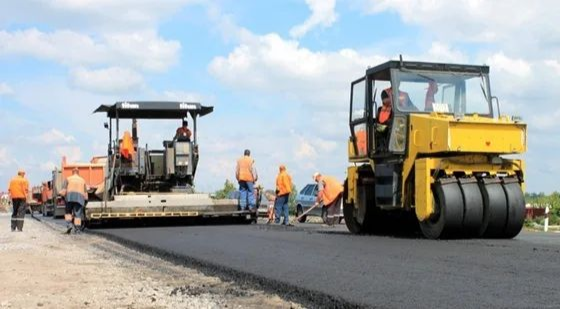

Urban streets are the lifelines of a city. Smooth, durable pavements not only make travel safer but also enhance the overall aesthetics of neighborhoods. Yet, maintaining city pavements can be costly, especially when budgets are tight. Implementing cost-effective strategies ensures roads remain functional without draining municipal resources. Strategic planning, timely interventions, and smart material choices can all contribute to longer-lasting pavements while keeping costs manageable.
Planning Pavement Maintenance Schedules
Scheduling regular maintenance is the first step toward cost efficiency. Cities that adopt proactive maintenance plans prevent minor cracks and potholes from turning into major repair projects. Inspections should be frequent, particularly after extreme weather events. By identifying weak spots early, municipalities save both money and labor. A well-organized maintenance calendar ensures that resources are used where they are most needed, making pavement maintenance more predictable and affordable.
Using Durable Materials for Pavement Maintenance
The choice of materials plays a crucial role in reducing long-term costs. High-quality asphalt or concrete can withstand heavy traffic and environmental stress better than cheaper alternatives. While initial costs may be higher, durable materials reduce the frequency of repairs. Cities investing in strong, resilient materials see fewer breakdowns, translating into lower overall expenses for pavement maintenance. Selecting the right materials is an investment that pays off through years of reduced repair needs.
Implementing Preventive Pavement Maintenance
Preventive pavement maintenance focuses on small fixes before they escalate. Crack sealing, surface treatments, and minor patching are simple, inexpensive steps that prevent further deterioration. These preventive actions extend the lifespan of roads and reduce the need for costly reconstructions. Municipalities that prioritize prevention over reaction often find that the budget stretches further, achieving more with less. Effective pavement maintenance begins with proactive measures rather than waiting for damage to worsen.
Optimizing Pavement Maintenance Resources
Efficient use of labor and equipment directly affects cost-effectiveness. Combining crews for multiple tasks or using modern machinery can save both time and money. Data-driven management helps identify which streets require urgent attention and which can wait. Prioritizing maintenance based on traffic load and road condition ensures that resources are allocated efficiently. Streamlined operations contribute significantly to the success of any pavement maintenance program.
Adopting Eco-Friendly Pavement Maintenance Techniques
Eco-friendly approaches can be both sustainable and economical. Recycling old asphalt, using warm-mix asphalt, or incorporating industrial by-products into road materials reduces material costs. These techniques also minimize environmental impact and can qualify cities for green funding initiatives. Sustainable pavement maintenance not only lowers immediate expenses but also supports long-term city planning by preserving resources for future use.
Leveraging Technology in Pavement Maintenance
Technology is transforming how cities manage road upkeep. Drones, sensors, and GIS mapping provide accurate, real-time data on pavement conditions. Predictive analytics can forecast which areas will need attention soon, allowing for strategic maintenance planning. Technology-driven maintenance reduces unnecessary interventions and ensures that crews address only the roads that truly need work. Smart use of technology enhances both efficiency and cost-effectiveness in pavement maintenance programs.
Conclusion
Maintaining city pavements doesn’t have to break the budget. With careful planning, durable materials, preventive measures, efficient resource allocation, eco-friendly approaches, and technological support, cities can keep roads safe and smooth at a fraction of traditional costs. Cost-effective pavement maintenance not only preserves infrastructure but also enhances the daily experience of residents. Strategic, proactive approaches today save cities significant time, money, and effort tomorrow.