
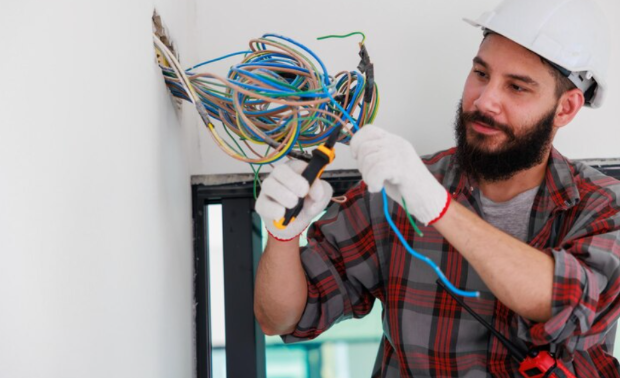

Electrical systems are an essential part of every home, but they can also become a source of danger if not installed or maintained properly. Faulty wiring, overloaded circuits, and poor-quality repairs can lead to serious hazards such as electrical shocks and fires. A skilled electrical contractor plays an important role in preventing these risks by ensuring that all electrical work is done safely and according to proper standards. With the right knowledge and careful handling, many common electrical problems in homes can be avoided before they become serious threats.
Role of Electrical Contractors in Home Safety
An electrical contractor is trained to design, install, and maintain electrical systems in a safe and reliable way. Their main responsibility is to make sure that all wiring and equipment in a home meet safety requirements. They understand how electricity works in residential settings and can identify weak points in the system that may cause future problems. By hiring a qualified electrical contractor, homeowners can reduce the chances of accidents caused by improper installations or outdated wiring systems.
Identifying Common Electrical Hazards in Homes
Many homes face similar electrical hazards, and most of them develop over time without being noticed. Loose wiring, damaged outlets, and overloaded power boards are some of the most common issues. These problems can lead to short circuits or even electrical fires if ignored. An experienced electrical contractor knows how to carefully inspect a home and identify these risks early. They can spot signs such as flickering lights, burning smells near outlets, or frequently tripping breakers, all of which indicate underlying electrical issues that need attention.
Safe Installation and Maintenance Practices
Proper installation is one of the most important steps in preventing electrical hazards. An electrical contractor follows strict safety methods when installing wiring, switches, and appliances. They ensure that the electrical load is properly distributed so that circuits are not overloaded. In addition, they use quality materials that are designed to handle long-term use. Maintenance is equally important, as even well-installed systems can develop issues over time. Regular checks by an electrical contractor help ensure that all components continue to function safely and efficiently.
Importance of Regular Inspections and Upgrades
Electrical systems in older homes may not be designed to handle modern power demands. This can increase the risk of overheating and electrical failures. Regular inspections by an electrical contractor help identify whether an upgrade is needed. They can recommend replacing outdated wiring, upgrading circuit breakers, or improving grounding systems. These updates not only improve safety but also enhance the overall performance of the home’s electrical system. Preventive inspections are a key step in avoiding unexpected hazards.
Conclusion
Electrical hazards in homes can be dangerous, but they are largely preventable with the right approach. A professional electrical contractor plays a vital role in ensuring that electrical systems are safe, reliable, and properly maintained. From identifying hidden risks to performing safe installations and recommending necessary upgrades, their expertise helps protect both property and lives. By relying on skilled professionals and regular maintenance, homeowners can create a safer living environment and significantly reduce the risk of electrical accidents.