

Key Takeaways
- Regular physical activity benefits individuals at all ages, enhancing longevity and quality of life.
- Tailoring fitness routines to each life stage ensures safety and effectiveness.
- Incorporating strength training, cardiovascular exercises, and flexibility practices is essential for comprehensive fitness.
Table of Contents
- Children (Ages 5-12)
- Teenagers (Ages 13-19)
- Adults (Ages 20-64)
- Older Adults (Ages 65+)
- Overcoming Common Barriers to Exercise
- Creating a Personalized Fitness Plan
- Final Thoughts
Maintaining physical activity throughout life is crucial for overall health and longevity. Finding the right routines and making adjustments based on your stage of life ensures fitness remains both enjoyable and sustainable. For seniors, considering in-home personal training for seniors can provide tailored support and confidence to exercise in a safe, familiar environment. Establishing and adapting fitness routines at different life stages brings lasting well-being and helps individuals retain their independence and vitality as they age.
Developing active habits early and reassessing them as you grow leads to increased mobility, mental clarity, and disease prevention. The benefits of lifelong exercise extend far beyond physical health. Active people also experience better mood regulation, improved social connections, and greater self-esteem. Prioritizing varied movement throughout life helps guard against health issues associated with inactivity, such as obesity, heart disease, and depression.
Children (Ages 5-12)
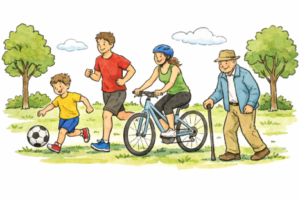
For children, fitness should be synonymous with play and enjoyment. Engaging in activities like tag, swimming, biking, and dance not only promotes physical health but also supports social and emotional development. Encouraging active play helps instill a lifelong love of movement. Participating in group games and outdoor adventures fosters teamwork, persistence, and confidence.
The U.S. Department of Health and Human Services recommends at least an hour of moderate to vigorous activity each day for children. By creating a supportive home and school environment, adults can help children discover sports and games that inspire them to stay active. Limiting screen time and prioritizing unstructured play are vital steps toward healthy lifelong habits.
Teenagers (Ages 13-19)
Adolescents benefit from a mix of aerobic exercises, strength training, and flexibility workouts. Participation in team sports, running, yoga, or weightlifting can enhance physical fitness and mental well-being. As body image and peer relationships become important in adolescence, regular physical activity can also boost self-esteem and help manage stress.
It is important to encourage teens to explore new activities and to allow them to take ownership over their fitness decisions. Introducing them to community clubs, dance classes, or martial arts can make the activity more social. Establishing healthy routines in these formative years lays the groundwork for a lifetime of wellness.
Adults (Ages 20-64)
In adulthood, balancing cardiovascular exercises, strength training, and flexibility routines is key. Activities such as brisk walking, cycling, resistance training, and yoga help manage stress, maintain a healthy weight, and prevent chronic diseases. Consistency and variety are crucial to sustaining these habits and addressing both mental and physical health needs.
Adults are often pressed for time, so finding manageable ways to stay active is essential. Short workout sessions, active commuting, or exercising with friends can keep physical activity a priority. Integrating fitness into daily living, such as taking the stairs or gardening, provides health benefits and complements more structured exercise plans.
Older Adults (Ages 65+)
For seniors, focusing on exercises that enhance balance, strength, and flexibility is vital. Walking, water aerobics, tai chi, and gentle yoga can improve mobility and reduce the risk of falls. Activities should be tailored to individual fitness levels and any health conditions to ensure safety and enjoyment. Many older adults find that group exercises or working with a personal trainer increases motivation and helps manage limitations.
Regular physical activity in older age helps maintain independence, mental sharpness, and energy. It also plays an integral role in reducing feelings of isolation and supporting emotional well-being. Seniors should always check with a healthcare provider before starting new routines, especially if managing chronic health conditions.
Overcoming Common Barriers to Exercise
Common obstacles to regular physical activity include time constraints, lack of motivation, and physical limitations. Developing a support network, tracking progress, and setting achievable goals can help maintain enthusiasm. Sometimes, simply starting small and gradually increasing activity leads to the greatest success. Remember, any movement is better than none, and even brief bouts of activity carry health benefits.
For those with mobility issues or chronic health conditions, adaptive exercises and professional guidance are beneficial for establishing a safe, enjoyable routine.
Creating a Personalized Fitness Plan
Developing a personalized fitness plan begins by assessing your current fitness level, health conditions, and interests. Identifying activities you enjoy increases the likelihood that exercise becomes part of your lifestyle. Setting realistic, incremental goals is key; start small and celebrate milestones along the way.
Consultation with a healthcare provider or fitness professional ensures your plan is safe and individualized. Seeking social support, such as a workout buddy or structured classes, can help you stay accountable and motivated in the long term.
Final Thoughts
Physical activity at every age supports health, happiness, and a full life. By incorporating age-appropriate exercises and overcoming common barriers, individuals build lifelong fitness habits that lead to greater independence, energy, and well-being. No matter your starting point, the path to lifelong fitness begins with a single step.